What Makes Australia's Car Enthusiast Community Unique
Passion for Cars Down Under
Australia has a vibrant and passionate car culture, deeply rooted in the country's landscape and lifestyle. This enthusiasm isn't just limited to collecting or showcasing cars; it extends to keen DIY enthusiasts who love getting their hands dirty with vehicle maintenance and restoration. You'll often find groups of like-minded individuals gathering at venues like Kings Park in Perth, swapping tips on everything from tuning engines to revamping interiors. These events bring together people from all walks of life, united by their shared affinity for automobiles.
Rich History of Car Culture
Australia's car culture has evolved significantly, thanks to its unique history of imported and locally manufactured vehicles. Classic makes, such as the second hand Toyota RAV4, have become staples in our automotive heritage, providing a foundation for car enthusiasts to build upon. These reliable and practical models mirror the lifestyle of many Australians, who value vehicles that withstand our diverse climates and terrains.
Local Automotive Clubs
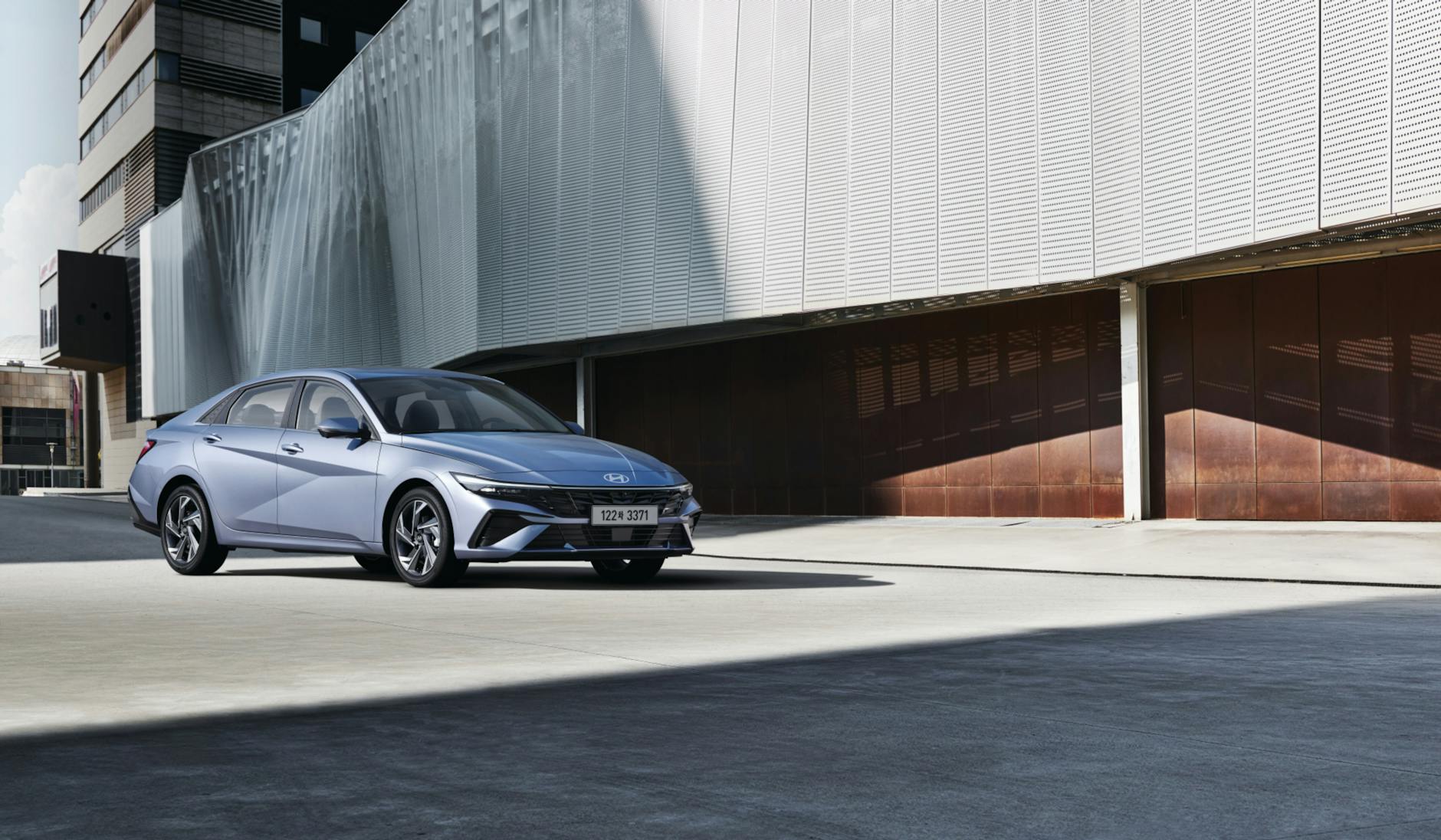
Our local automotive clubs, such as the gatherings at TAFE East Perth, play a pivotal role in fostering this passion. They are more than just social groups; they're communities where people can hone their skills and enthusiasm through hands-on learning and shared experiences. Whether you're into restoring a 2nd hand Hyundai i30 or customising a used Kia, these clubs offer invaluable support and knowledge that enrich the car culture experience.
Iconic Events and Gatherings
Australia's car enthusiasts regularly attend iconic events and gatherings that showcase both classic and modern vehicles. These events, steeped in tradition and innovation, spotlight unique modifications and sustainable practices. Our gatherings aren't just about admiring the gleaming paint jobs or roaring engines; they're opportunities to learn and share insights with fellow car lovers about responsible vehicle ownership and modification, emphasising sustainability and community spirit.
Love for Unique Modifications
Creative Customization Trends
In Perth, automotive enthusiasts are gathering at Kings Park and talking about creative ways to transform their vehicles. From unique paint jobs to intricate body kits, the focus is on making each car a personalised masterpiece. A popular trend is updating interiors with modern amenities while preserving the classic essence. This approach not only enhances comfort but also increases the vehicle's value—a crucial factor when investing in a 2nd hand Ford Ranger or another classic make.
DIY Culture and Community Support
The DIY culture is thriving in Perth, thanks to the active automotive workshops at TAFE East Perth. DIY enthusiasts share their skills and knowledge, inspiring others to tackle projects themselves. This community support encourages budding mechanics to embark on custom modifications with confidence. For instance, if you're working on a used Ford, the support network empowers you to enhance its performance while learning valuable hands-on skills.
Sustainable Modification Practices
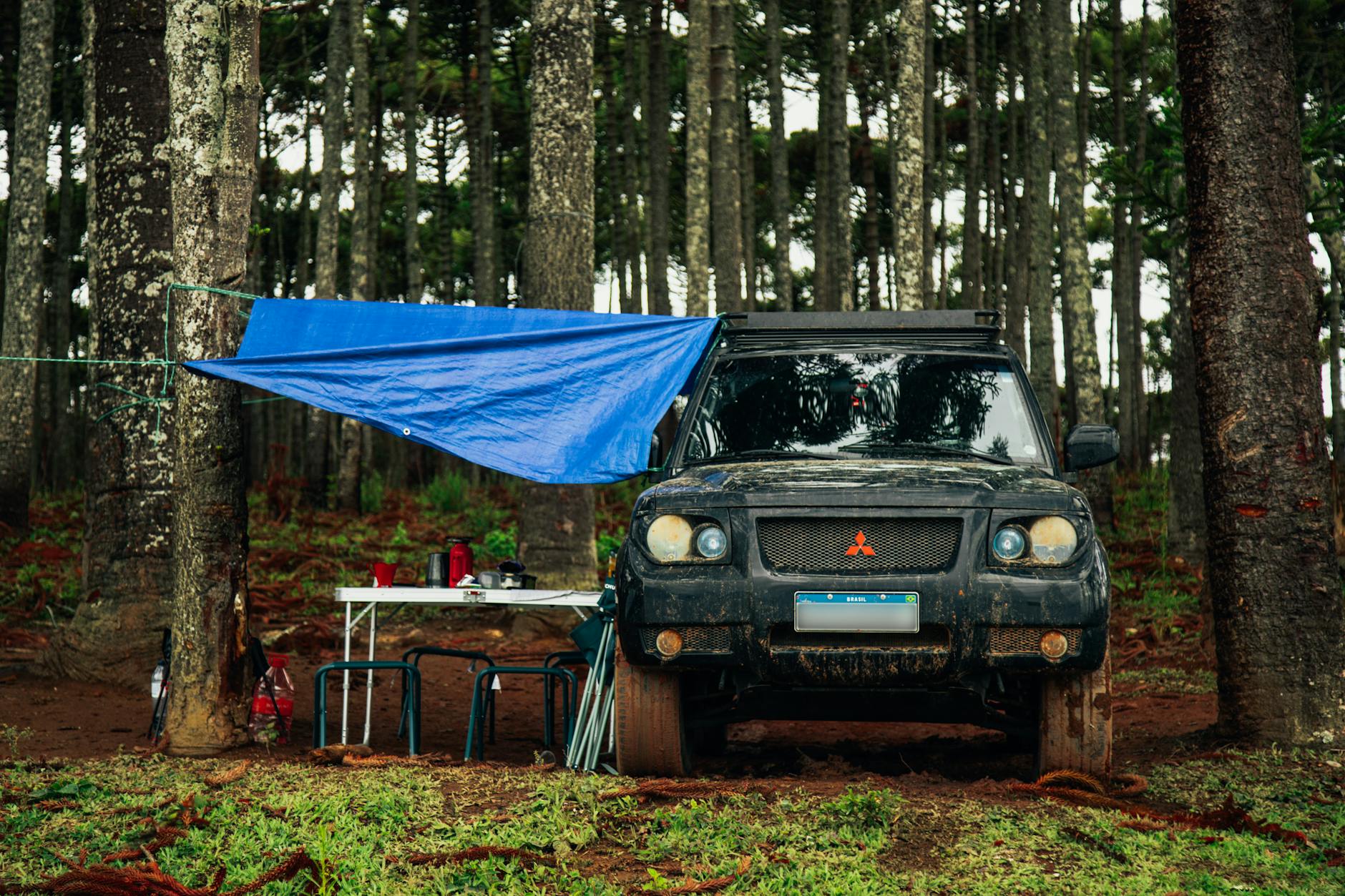
Sustainable practices are increasingly gaining traction in the customization scene. Many in Fremantle's restoration community are opting for eco-friendly materials and procedures. Whether fitting energy-efficient lighting or selecting low-VOC paints, these modifications help balance performance with environmental responsibility. So, if you're considering a used Mitsubishi for modification, exploring sustainable options ensures your project aligns with modern expectations.
Diverse Range of Vehicles
Classic Australian Models
As someone who regularly attends car enthusiast meet-ups at Kings Park, you'll appreciate the iconic status that Australian automotive history holds. Many local DIY enthusiasts like to play around tinkering with classic Aussie models, such as the Ford Falcon and Holden Commodore. These models are more than just cars; they represent a piece of our heritage. Whether restoring one or just keeping it roadworthy, there's a special kind of satisfaction in maintaining these classics.
Influence of Imported Vehicles
While local models have their charm, the influx of imported vehicles has reshaped our automotive landscape. I've noticed that community members often buy a used Subaru or second hand cars Sydney, especially those who are keen on off-road adventures or seeking fuel-efficient options. When you're in Fremantle, mingling with vehicle restoration groups, it becomes clear that these imported models offer both performance and reliability while allowing some scope for creative modification.
Rising Popularity of EVs
In our talks at TAFE East Perth, it’s evident how electric vehicles (EVs) are gaining a firm foothold in Australia. EVs like the Tesla Model 3 are surprisingly popular amongst DIY aficionados. Not only do they offer environmentally friendly options, but they also inspire a completely new realm of customizations. The transition toward EVs is something to embrace, particularly for those interested in combining sustainability with the DIY culture. Overall, the evolving vehicle landscape is an exciting playground for the automotive enthusiast.
Navigating Strict Regulations
As an automotive enthusiast in Australia, one of the key challenges we face is understanding and complying with the country's stringent vehicle regulations. These regulations are designed to ensure safety and minimise environmental impact but can often feel overwhelming to navigate, especially when you're considering customizing a used Mazda or a used Hyundai. The complexity of rules regarding emissions and safety standards requires a keen eye for detail, particularly when importing vehicles or modifying existing ones.
One practical strategy is engaging with local resources for guidance. Facilities like the automotive workshops at TAFE East Perth can offer a wealth of information and hands-on support. Attending workshops and seminars can greatly enhance your understanding of what is required to ensure compliance.
Another important aspect is staying updated on any changes to the regulations. Regularly checking governmental websites or industry publications can provide the latest information. Engaging in car enthusiast meet-ups and restoration communities in Fremantle can also be invaluable, as these settings often facilitate the exchange of crucial compliance tips.
It's crucial to maintain open communication with professionals who can offer expert advice. This proactive approach can help safeguard your automotive projects from being derailed by unexpected regulatory challenges. With the right tools and information, we can navigate these regulations effectively.
Avoiding Common Pitfalls in the Automotive Scene
Navigating Legal Hurdles Effectively
One significant oversight many drivers face is ignoring the importance of legal compliance. For any modification or repair, it's vital that the finished result aligns with Australia's strict vehicle regulations. For instance, without adhering to these laws, you run the risk of fines or even voiding your insurance. To avoid such pitfalls, I often find myself frequenting automotive meet-ups at Kings Park where fellow enthusiasts exchange firsthand advice on making sure restorations and customisations remain within legal bounds.
Balancing Innovation with Responsibility
While it’s tempting to go all-out with mods, overlooking sustainability can be a slippery slope. Perth’s car community has seen a growing emphasis on eco-friendly modifications, and embracing this trend helps conserve the environment and often lightens your wallet in the long run. I recommend exploring workshops at TAFE East Perth for courses on sustainable practices, which provide insights on how to integrate innovative yet eco-conscious solutions into your vehicle projects.
Gauging What’s Trendy and What’s Tried
Misjudging market trends can also steer you off course, leading to investments in modifications or vehicles that don’t hold their value or appeal. It’s beneficial to participate in vehicle restoration circles in Fremantle, where you can tap into the collective wisdom of seasoned car enthusiasts and keep abreast of emerging patterns that hold genuine market potential. In conclusion, with the guidance of the local automotive community, we can all make informed choices that blend creativity with practicality.